Blog · Drive
What Is Alan Wong's Plan to Add Angled Parking to San Francisco Streets?
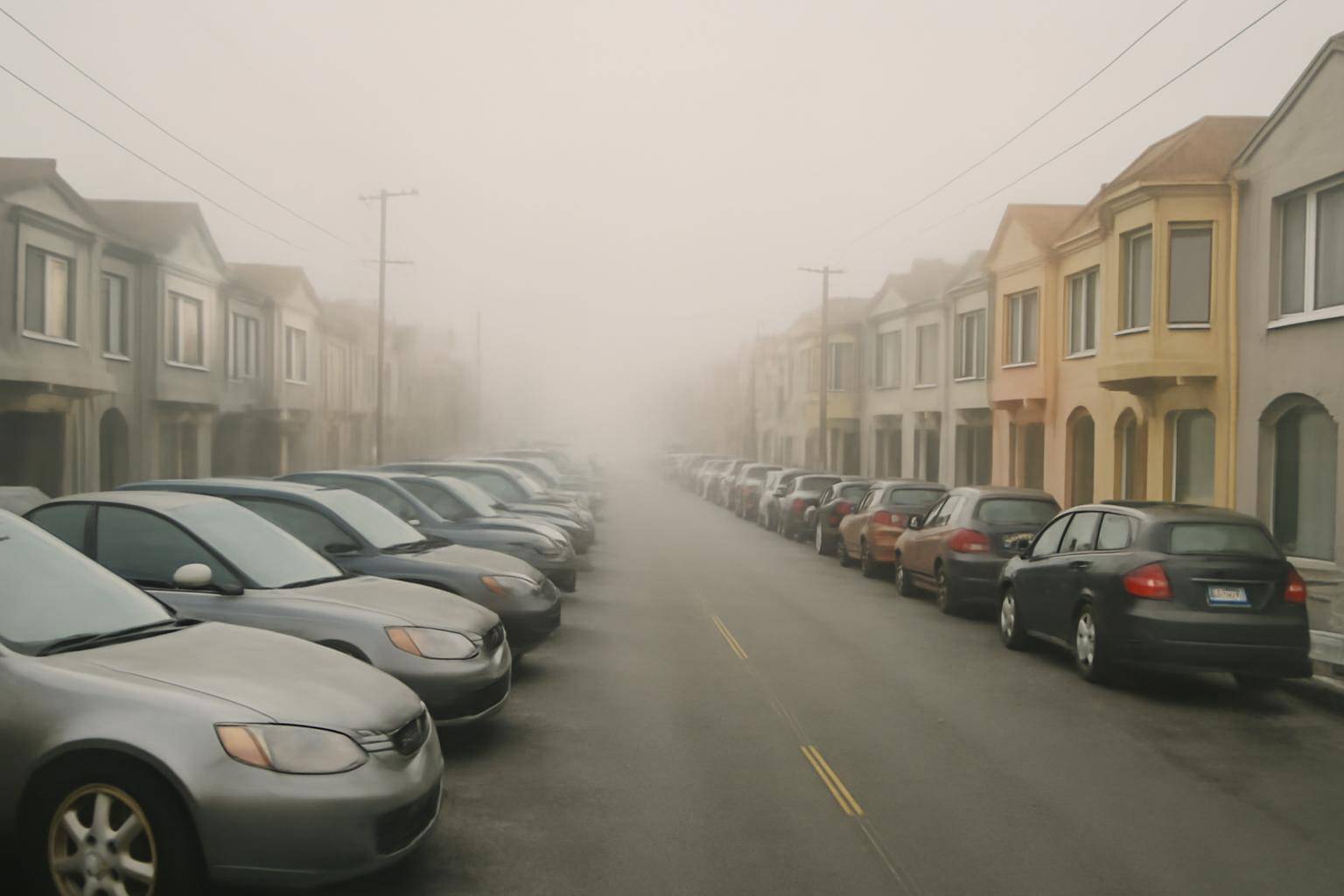
Supervisor Alan Wong, who represents San Francisco's Sunset District, is asking the city to restripe a set of existing streets so that parallel curb spaces become angled or straight-in, 90-degree stalls that pack more cars onto the same stretch of asphalt, according to ABC7 Bay Area. The pitch is simple: the Sunset's grid of mostly residential streets already has curb space; the question is whether that space is being used in the most efficient geometry possible.
What Is Alan Wong Proposing for Sunset Streets?
Wong's push targets streets that already exist, not new construction. The idea is to repaint curb lines so cars park at an angle, or nose-in at 90 degrees, instead of parallel to the curb. ABC7 Bay Area frames the proposal as a direct response to worsening parking availability in the neighborhood, where demand for curb space has outpaced the supply of standard parallel stalls.
Quick facts
- Who: Alan Wong, supervisor for San Francisco's Sunset District
- What: convert existing curb parking from parallel to angled or 90-degree stalls
- Why: worsening parking availability, per ABC7 Bay Area
- Status: a policy push, not yet a completed restriping project
Why Do Angled Spaces Fit More Cars?
A parallel stall has to be long enough for a car plus room to pull in and out, which eats up curb length fast. Angled and 90-degree stalls instead use a vehicle's width along the curb rather than its length, so a block of a given size can hold more vehicles without widening the roadway itself. That geometry is why diagonal stalls show up on wide commercial strips and why a shift from parallel to angled parking can raise a block's stall count even when the curb length stays the same.
Which Streets Could Change First?
ABC7's report ties the push to Wong's district, but it does not name the specific blocks that would be restriped first. Any conversion would likely start where the roadway is wide enough to absorb angled or perpendicular stalls without eliminating a travel lane, since that extra depth has to come from somewhere on the pavement.
Does Converting Parking Affect Bike Lanes?
Angled and 90-degree parking take up more curb-to-curb width than parallel stalls, so engineers generally have to confirm a street has enough spare pavement before restriping. On a corridor that's already tight with travel lanes, bike lanes, or a center turn pocket, there may not be room to add the extra depth without taking it from somewhere else. That tradeoff is typically the first thing a traffic study checks before any paint goes down.
How Would a Conversion Actually Happen?
In San Francisco, changes to curb use generally route through the San Francisco Municipal Transportation Agency, which studies safety and traffic effects before a street gets repainted. A supervisor's push, like Wong's, is usually the starting point that sends a request for that kind of review rather than an automatic order to restripe. From there, the agency weighs sight lines, lane widths, and any conflicts with transit or bike routes before deciding whether a given block can actually support the switch.
More from the blog
Written by Smorgi Apps at Smorgi Apps. We do not invent download counts or ratings. If a number appears here, it came from App Store Connect or the live listing.