Blog · Drive
Where San Francisco Publishes Camera Locations: 4 Places to Check
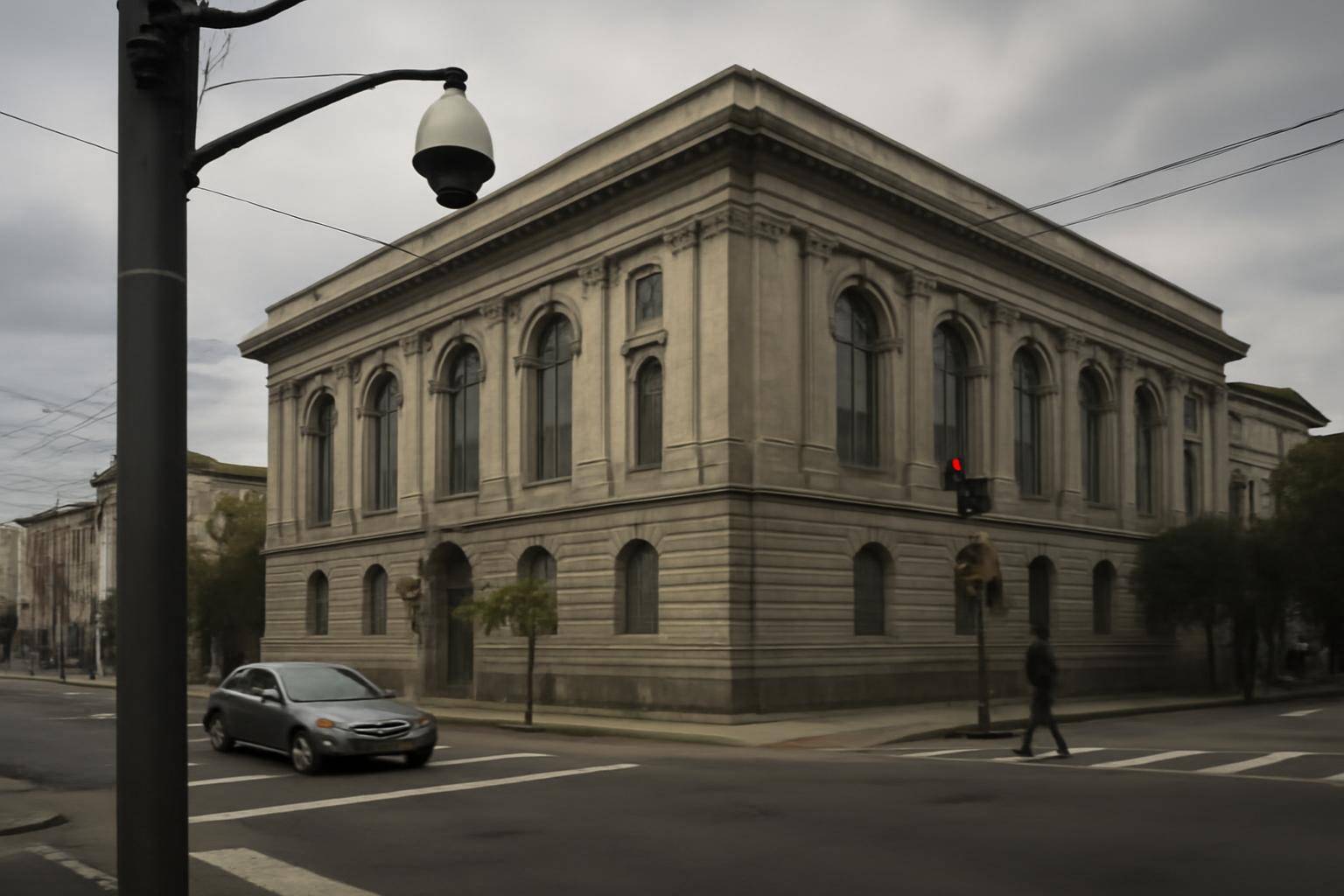
San Francisco does not keep a single public map of exact camera coordinates. Instead, the city spreads surveillance-technology information across four official channels: the Board of Supervisors' legislative file system, individual department policy pages, a voluntary private-camera registry, and formal records requests. None of these hand over a pin-drop map of every lens in the city, and that gap is intentional rather than an oversight.
The framework traces back to the city's Surveillance Technology Ordinance, added to the Administrative Code as Chapter 19B in 2019. The law requires departments to get Board of Supervisors approval before buying or using a surveillance tool, and to publish a "Surveillance Technology Policy" describing what the device does, who can access its output, and how long the data sticks around. It does not require posting exact addresses, because doing that would undercut the deterrent and investigative value of the equipment itself.
Does San Francisco publish an official map of camera locations?
No searchable public map exists. The disclosure rules focus on what a tool is and how it's governed rather than where every unit physically sits. Placement details for police-operated devices are generally handled the way patrol staffing patterns are handled — withheld as law-enforcement-sensitive — so the network stays useful as both a deterrent and an evidence source.
Where can residents find the published policies instead?
Each department that runs an approved surveillance tool is required to post its policy document publicly, and the San Francisco Police Department maintains a page listing approved technologies such as automated license plate readers and closed-circuit television systems, along with the use policy the Board of Supervisors signed off on. Those documents describe equipment types, data retention windows, and who can pull footage. They stop short of listing street addresses or intersections.
How does the ordinance shape what actually gets disclosed?
Chapter 19B splits disclosure into two stages. Before a department can acquire new technology, it files a proposed use policy with the Board of Supervisors Clerk, and that filing becomes part of the public legislative record, searchable through the city's Legislative Research Center. Once approved, the department posts the final version on its own site. Both stages were built around oversight of purpose and limits — retention periods, access rules, audit requirements — not a directory of hardware positions.
Can residents or businesses register their own cameras with the city?
Yes, in a limited sense. San Francisco has long encouraged business owners and residents to let police know that a privately owned camera exists nearby, so investigators can ask for footage quickly after an incident instead of canvassing a block afterward. Registration is voluntary, doesn't require new hardware, and doesn't add the address to any open dataset. It's a private point of contact for the department, not a public listing.
What should someone do if they need footage from a specific block?
Start with a police report if the request ties to an incident; officers can check the department's own network and reach out to registered private devices near the scene. For records about how a particular technology is used citywide, a California Public Records Act request filed with the relevant department — or a request under the city's local Sunshine Ordinance — is the formal route, though requests aimed at exact placement are commonly denied on security grounds. For the governing language itself, the Board of Supervisors' legislative file tied to that technology is the most complete public document available.
Quick reference: where to look, not where the hardware sits
- Board of Supervisors Legislative Research Center — surveillance technology policy filings and approval history
- The relevant department's own site — published, approved use policies broken out by technology type
- Voluntary private-camera registration — a direct line to police, not a public dataset
- Public records requests under the California Public Records Act or the local Sunshine Ordinance — policy and governance documents, rarely exact coordinates
This split — governance in public, geography withheld — isn't unique to one city. Several California municipalities adopted similar surveillance ordinances after San Francisco's 2019 law passed, and most follow the same pattern: publish the rules a camera operates under, keep the exact map out of public view.
More from the blog
Written by Smorgi Apps at Smorgi Apps. We do not invent download counts or ratings. If a number appears here, it came from App Store Connect or the live listing.