Blog · Sleep
What Does a Sleep-Stage Claim on an iPhone App Actually Measure?
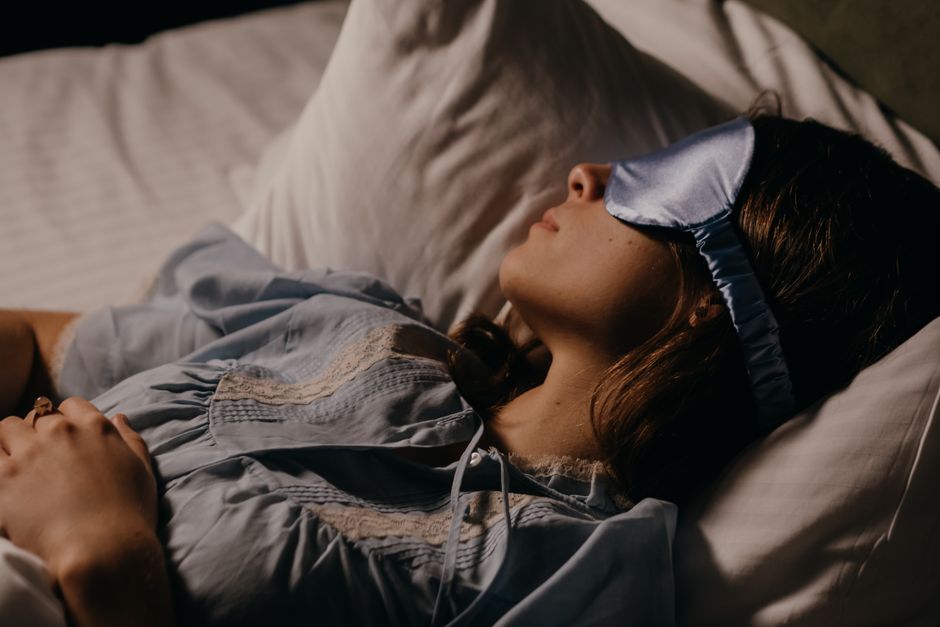
A sleep-stage label like "REM" or "Deep" on your iPhone screen is almost always an estimate built from movement and heart-rate patterns, not a direct reading of brain activity. The phone, or a paired wearable, infers which stage you are probably in by matching sensor data against patterns researchers have already linked to real sleep stages, then rounds that guess into a tidy chart. Knowing what each setup can and cannot sense helps you read those charts for what they are: useful trends, not lab results.
Three common setups show up on an iPhone: the phone alone on a nightstand, the phone paired with an Apple Watch, and a clinical sleep study done in a lab or at home with medical equipment. Each one measures something different, and the gap between them explains why two apps, or an app and a lab report, can disagree about the same night.
What can an iPhone alone detect overnight?
Placed on the mattress or nightstand, an iPhone senses motion through its accelerometer and sound through its microphone. Motion tells an app when you roll over, get up, or lie still for long stretches. Sound can flag snoring, talking, or a partner shifting nearby. Neither signal reaches your heart rate or brain activity, so a phone working alone is mostly answering a binary question: are you moving and making noise, or not. Apps running on phone sensors by themselves can build a reasonable awake-versus-asleep timeline for the night. Any finer stage breakdown they display is leaning on general assumptions about how sleep cycles tend to unfold, not on something that phone actually measured in you.
How does pairing with a watch add stage detail?
A wrist-worn device changes the picture because it sits against skin and can read heart rate, and in many cases heart-rate variability, continuously through the night. Combining that pulse data with wrist motion gives an app two independent signals instead of one, which is closer to how sleep researchers originally learned to distinguish lighter and deeper sleep stages from each other. watchOS collects this sensor data overnight and syncs it to the Health app on the paired iPhone, which is where most people actually view the stage chart the next morning. The labels are still a model's best guess from heart rate and motion, but it is a guess built on more physiological information than motion alone can supply.
Why does a clinical sleep study measure something different?
Polysomnography, the test run in a sleep lab or sent home with a patient, records electrical signals directly from the body: brain waves through scalp electrodes, eye movement, and muscle tone under the chin. Those three signals are what sleep stages were originally defined by, so a lab test is measuring the thing itself rather than a proxy for it. A technician also reviews the recording and scores it, often with software trained against that same scoring method. Nothing a consumer phone or watch wears on skin can pick up those electrical signals, which is the core reason a lab report and a phone chart will not always agree, even describing the same night.
Can two sleep apps disagree about the same night?
Yes, and this is expected rather than a sign something is broken. Each app or operating system builds its own model for turning raw sensor readings into stage labels, and those models are not standardized the way lab scoring is. A restless few minutes that one algorithm reads as "light sleep" might get folded into "awake" by another. A night with an irregular heartbeat, a loose watch band, or a phone that slides off the nightstand can throw off the input data entirely, which then shows up as an odd-looking chart with no real change in how you actually slept. None of this means the data is useless; it means the number is a modeled estimate with its own quirks, and it is worth judging by its trend over weeks rather than any single night.
Which setup fits your situation?
If you just want to know roughly when you fell asleep and how restless the night felt, a phone on the nightstand covers that. If you want a stage breakdown to track over weeks, a paired watch gives a more detailed signal because it adds heart rate to motion. If you suspect a sleep disorder, insomnia that will not resolve, or loud snoring with gasping or breathing pauses, a referral for an in-lab or home polysomnography test is the setup that actually records the brain and muscle signals a diagnosis depends on. Consumer trends are a reasonable way to notice patterns in your own routine; they are not a substitute for that kind of clinical measurement.
More from the blog
- Apple Cuts China App Store Commission Fees After Government Pressure
- Auto-Captions in Final Cut Pro 12.3 vs iMovie: Which Should You Use on iPhone?
- Wearable Sleep Trackers vs. iPhone-Only Sleep Tracking: Which Should You Buy in 2026?
- 5 Things to Check in the Small Print Before You Join a Buzzy New Social App
Written by Smorgi Apps at Smorgi Apps. We do not invent download counts or ratings. If a number appears here, it came from App Store Connect or the live listing.