Blog · Drive
What Are San Diego's New 'Devastating' Parking Rules Near Its Famous Tourist Site?
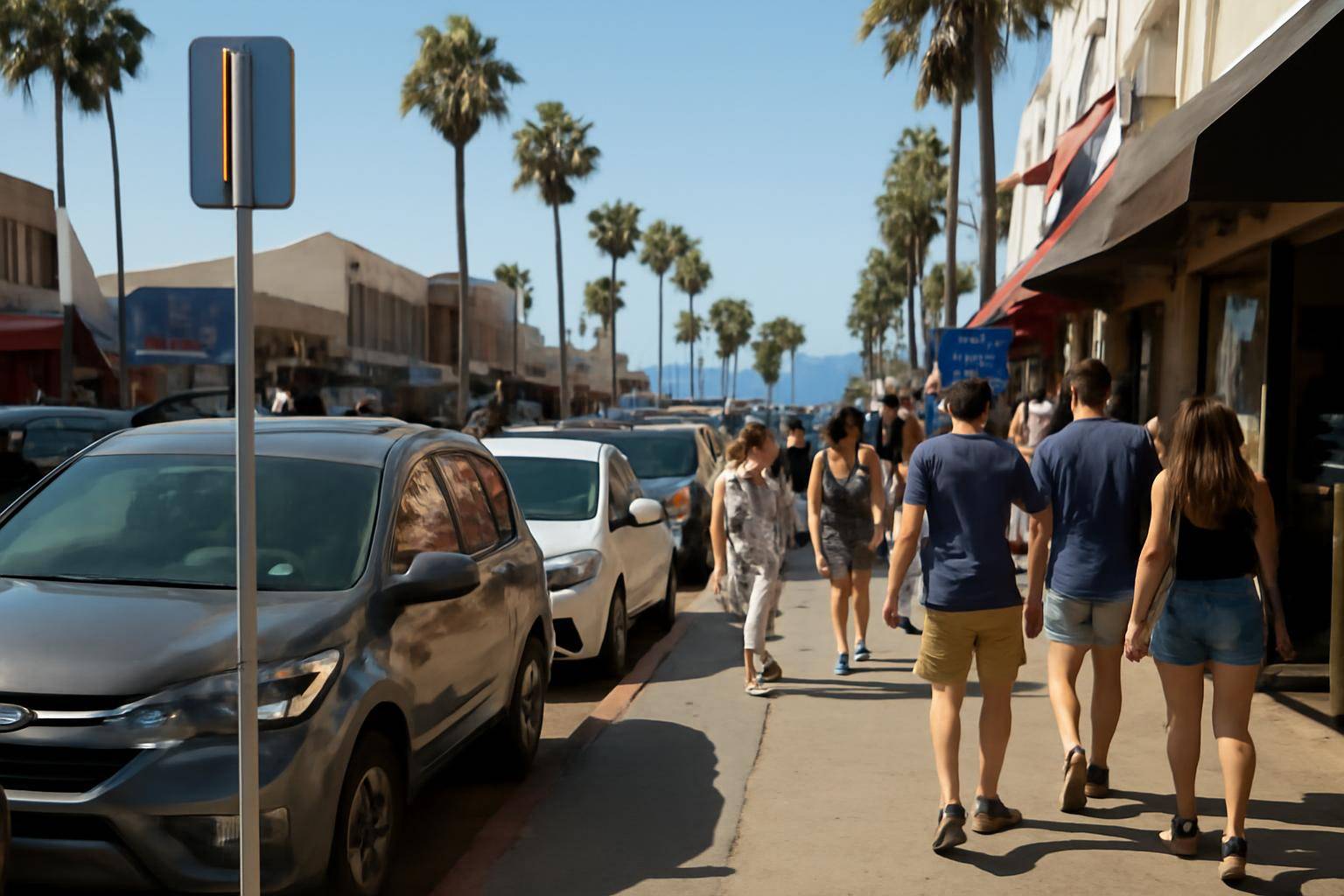
San Diego's new parking restrictions near one of the city's best-known tourist draws are at the center of a SFGATE report describing the shift as "devastating" for foot traffic at the site. That word choice, pulled straight into the headline rather than softened into a paraphrase, signals a familiar friction point: a city tightens curb access right as nearby businesses depend on visitors who arrive by car.
What did San Diego change, according to the report?
The coverage ties the backlash to a set of restrictions rolled out at a location the outlet frames as a regional tourism anchor. People quoted in the piece, described as business operators and visitors affected by the change, use the "devastating" label themselves, which is why it carries that much weight in the headline instead of city messaging. Municipal parking updates rarely arrive as one clean rule; they tend to show up as a mix of new signage, adjusted meter rates, and shifted enforcement windows layered on top of each other. For the exact streets, hours, and fees involved, the original story is the place to read in full, since those specifics are the kind of detail that gets lost once a story gets summarized elsewhere.
Why do parking rule changes hit tourism at famous sites so hard?
Attractions that pull in day-trip crowds run on a tight equation: a meaningful share of guests need a spot within a short walk, and once that supply shrinks, gets pricier, or becomes less predictable, some visitors simply pick a different stop on their itinerary instead of circling the block. That is the dynamic SFGATE's sourcing points to in San Diego. The complaint from nearby businesses is not that parking vanished outright but that it became harder to count on at a location people were used to visiting on short notice. Tourist-facing businesses are especially exposed here because their customers are often one-time visitors with no loyalty to that particular block; they will move on rather than wait.
Should visitors to San Diego check anything before they go?
Anyone planning a trip to the area in question should treat current signage and posted rules as the authority over past visits or secondhand directions from friends. A few habits help regardless of which exact location is involved:
- Check the destination's own visitor page for parking guidance before arriving, since attractions often update their own instructions faster than mapping apps catch up.
- Read the signage at the actual curb or lot rather than relying on memory from an earlier trip, since enforcement hours and rates are exactly the kind of detail a rules update like this one tends to change.
- Build in a buffer to search for alternate spots a few blocks out, particularly during peak hours, when tightened supply is most likely to cause delays.
- If driving a rental or an out-of-state vehicle, confirm ahead of time whether local payment kiosks or apps accept out-of-area plates and payment methods.
Is this kind of parking backlash common at tourist sites?
Disputes over curb access near high-traffic destinations surface in plenty of cities whenever officials rework safety, traffic flow, or revenue priorities. What stands out in the San Diego case, by SFGATE's framing, is who is doing the talking: the "devastating" description comes from the people affected, not from officials defending the policy. That gap, between how a city presents an update and how the businesses living next to it experience it, is often where coverage like this begins, and it is worth reading past the headline to see whether the city has offered any response of its own.
More from the blog
Written by Smorgi Apps at Smorgi Apps. We do not invent download counts or ratings. If a number appears here, it came from App Store Connect or the live listing.