Blog · Drive
Overnight RV Parking vs San Francisco's New Street Rules Near SF State
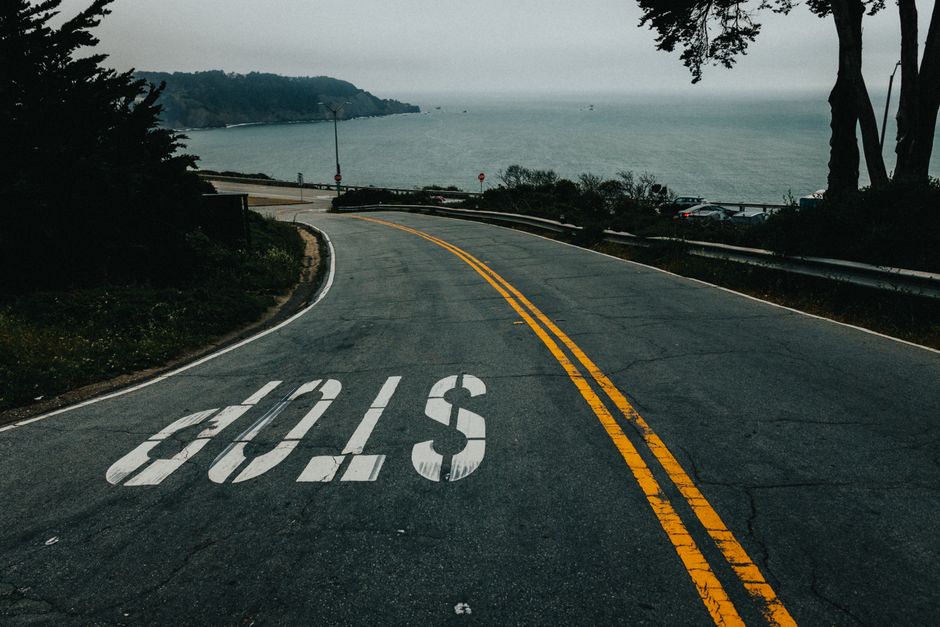
San Francisco's newest parking restrictions are on track to push an RV community living near San Francisco State University off the street, according to KQED's reporting on the policy. The outlet's piece names the area around the campus as the ground zero for the change, which is the detail worth tracking if you drive, walk, or live anywhere near that stretch.
What exactly is in San Francisco's new parking rules?
KQED's piece doesn't spell out every mechanical detail of the ordinance in the headline alone, and we're not going to guess at provisions that aren't in front of us. What we can say is that cities writing this kind of rule generally reach for one of three levers: overnight permit zones, hard time limits on how long any vehicle can sit on a block, or an outright length-and-height cutoff that keeps RVs and campers off certain streets entirely. Whichever lever San Francisco pulled, the practical effect reported by KQED is the same — people currently parked near SF State are being told to move.
Who lives in the RVs near SF State, and why there?
Streets near large university campuses often draw overnight RV parking because they're wide, relatively quiet after dark, and close to transit and services. KQED's reporting ties this specific community to the blocks surrounding SF State, which lines up with that pattern, though we're relying on the outlet's framing rather than our own reporting on the ground.
Where does enforcement leave people parked tonight?
This is the part the short version of the story leaves open, and it's the part that matters most to anyone actually living in a vehicle on those blocks. Ordinance rollouts elsewhere sometimes pair enforcement with a grace period or a designated lot, but nothing in the available coverage confirms whether San Francisco is doing the same here. If you're following this because it affects you directly, the safest move is checking directly with the city rather than piecing it together from a headline.
How do you follow a fast-moving local story like this one?
Stories like this one tend to move in increments — a hearing, a notice posted on windshields, a follow-up from the same outlet a week later. Set a habit of checking back on KQED's original piece rather than relying on secondhand summaries, since the details that matter (timelines, exceptions, relocation options) are the kind of specifics that get added after the first report.
If you end up forwarding the story to a neighbor or a tenant group, there's a real difference between pasting a bare link and sending the actual passage someone needs to see first. We wrote up the difference between quoted text and a plain link in Messages if you want the quoted sentence to land instead of getting buried under a preview card.
And if you're trying to keep an eye on local coverage without losing the rest of your evening to the scroll that follows it, Focus Mode settings can box off the fifteen minutes you actually need to read the update, then hand your attention back.
More from the blog
Written by Smorgi Apps at Smorgi Apps. We do not invent download counts or ratings. If a number appears here, it came from App Store Connect or the live listing.