Blog · Drive
San Francisco Speed Cameras vs. Police Traffic Stops: How the Fines Compare
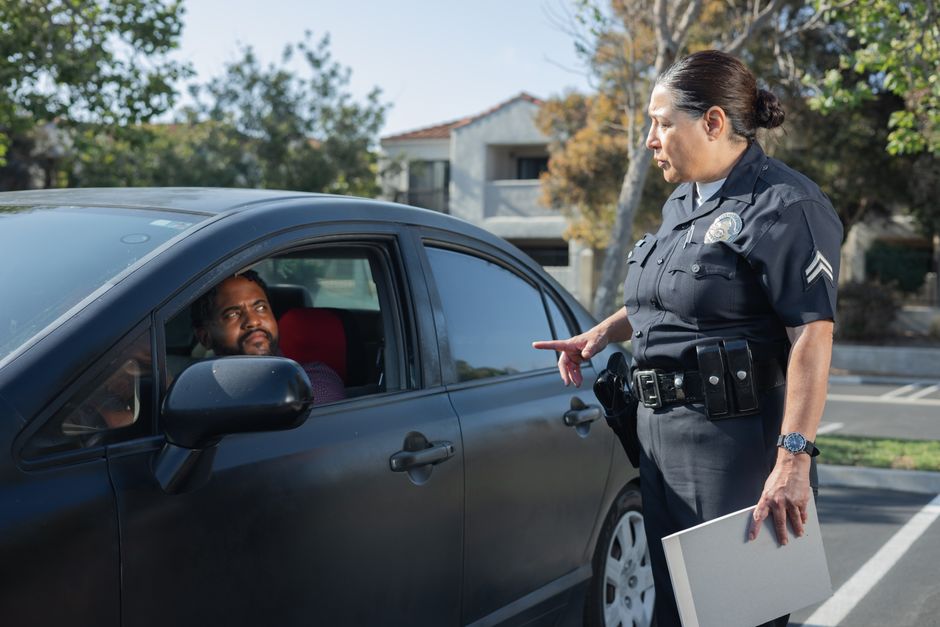
San Francisco's speed cameras are now writing citations, and the ticket that shows up in your mailbox doesn't work the same way a ticket from a motorcycle officer does. The cameras are part of a California pilot program that lets a small group of cities test automated speed enforcement, and the city has installed them at locations it has flagged for crash history, as ABC7 Bay Area details in its rundown of where the cameras sit and what the citations cost.
That distinction matters if you drive through the city. Here's how a camera citation stacks up against the ticket an officer hands you at a traffic stop.
| Speed camera (SF pilot) | Officer-issued ticket | |
|---|---|---|
| Who's billed | Registered vehicle owner | Driver |
| License points | No | Yes |
| Insurance impact | Typically none | Likely, since it's logged to the driver |
| Where it happens | Fixed, disclosed corridors | Anywhere an officer stops you |
| How the fine is set | Scales with how far over the limit you were clocked | Set by local court fee schedule |
Where are San Francisco's speed cameras located?
The city placed the devices on streets flagged for crash history rather than scattering them at random. ABC7's report maps the specific corridors and intersections where cameras are active, which is the fastest way to check whether a route you drive regularly is covered.
What does a camera ticket cost compared to a police stop?
A camera citation isn't a flat fee. It scales with how far over the posted limit the vehicle was going when the camera clocked it, so a driver going a few miles over pays less than one going well past the limit. ABC7's story lays out the exact dollar tiers tied to each speed range. A police-issued ticket, by contrast, runs through the local court's standard fee schedule for the violation written, plus whatever else the officer adds if there's more going on during the stop.
Does a camera citation add points to your license?
No. Because the citation is tied to the vehicle's registered owner rather than the person behind the wheel, it doesn't land on a driving record the way a moving violation from a traffic stop does. An officer who pulls you over for speeding writes the ticket against you as the driver, which is what adds points and tends to follow you into insurance renewals. A camera flash doesn't know who was driving, only whose car it was.
Is there a difference in how fast you'd actually get caught?
The cameras only cover the fixed locations the city installed them at, so a driver speeding on a street without a camera still depends entirely on whether an officer happens to be nearby. Police patrols can catch speeding anywhere they're stationed, which is the tradeoff: cameras are predictable and limited to specific corridors, while officer enforcement is unpredictable and can happen on any street in the city.
For drivers trying to avoid either kind of ticket, the practical answer is the same regardless of which system catches you: slow down before the posted limit changes, especially on streets the city has already called out as high-risk. Check ABC7's list before you plan a route through one of the flagged corridors.
More from the blog
Written by Smorgi Apps at Smorgi Apps. We do not invent download counts or ratings. If a number appears here, it came from App Store Connect or the live listing.