Blog · Drive
Malibu's PCH Speed Camera Warning Phase Slips to November
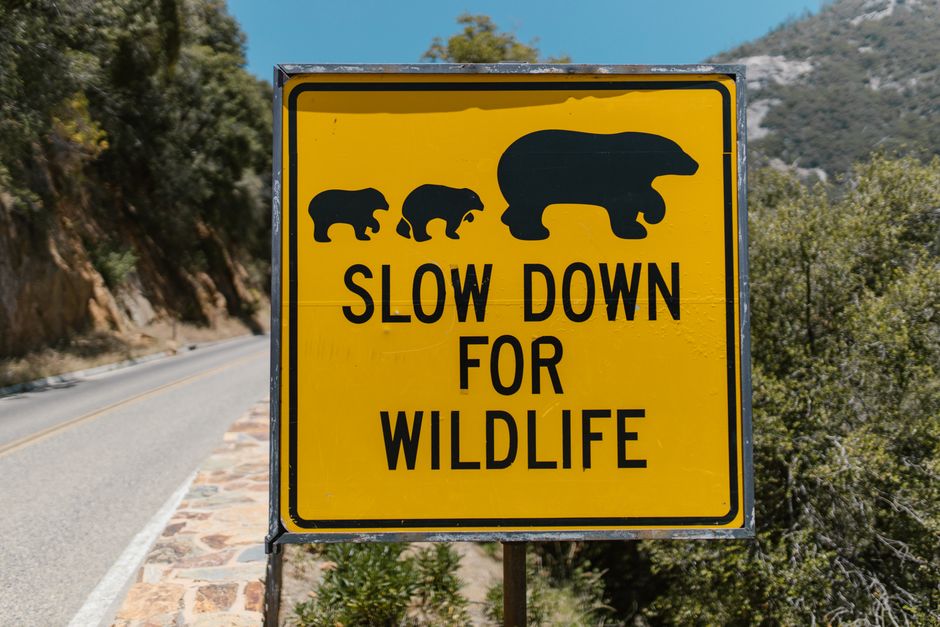
Malibu's speed camera program along Pacific Coast Highway will not open its warning phase until November, a slip from the earlier schedule, according to the Santa Monica Daily Press. For a highway with a long history of speed-related crashes, a few more weeks of lead time changes what drivers should actually do in the meantime.
What is changing for Malibu's PCH speed camera plan
The report describes a delay in the start of the warning phase, the stretch before any citations go out. No new enforcement date, fine schedule, or camera locations were included in the coverage, so this piece sticks to what's confirmed: the start has moved to November.
Why warning periods exist before citations
Camera-based speed enforcement in California generally opens with a stretch where notices go out instead of fines. The idea is to let drivers adjust their habits on a specific corridor before money changes hands. It also gives local agencies time to confirm signage, calibration, and public notice requirements are in place before the system starts issuing real penalties.
How can drivers prepare for the new timeline
Three practical paths exist for anyone who regularly drives PCH through Malibu:
- Wait for official signage and notices. Agencies typically post warnings near camera zones before enforcement begins, and that's the most direct way to know where the corridor's cameras sit once they're active.
- Use a phone-based speed alert tool. An app that flags posted limits and nearby enforcement corridors can catch the gap between "the program exists" and "official signs are up," which is exactly the window a delay like this one creates.
- Plan ahead for a contest process. Once citations start, drivers who believe they received one in error will want a clear record of what to gather and where to file, rather than scrambling after the fact.
None of these replace slowing down on a corridor known for speed-related crash history, but they cover the practical gap while the state and the city finalize the rollout.
Where does an app like No Time to Speed fit in
No Time to Speed is built around the second and third options above: live speed-versus-posted-limit alerts plus a contest walkthrough for citations. It's strongest in San Francisco but covers California statewide, which includes corridors like PCH. The free tier gives three genuine over-threshold alerts a day; the paid tiers remove that cap and add CarPlay and Apple Watch support. None of this is Malibu-specific functionality — it's the same statewide coverage the app already offers, which happens to be useful during a stretch where official signage for a new camera corridor hasn't gone up yet.
When should drivers expect enforcement to begin
The coverage reviewed here confirms the warning phase start date moved to November and nothing further about a hard enforcement date. Anyone driving PCH regularly should watch for the next update from Malibu or Caltrans rather than assume a specific month for citations, since that detail hasn't been reported yet. Until an official enforcement date appears, the safest assumption is that the corridor is still in its lead-in period, not live penalty territory.
No Time to Speed
Know if you can park here, then get speed-camera and CHP alerts while you drive. Contest a ticket when you need to. Built for San Francisco; covers California statewide.
Learn moreMore from the blog
Written by Smorgi Apps at Smorgi Apps. We do not invent download counts or ratings. If a number appears here, it came from App Store Connect or the live listing.