Blog · Sleep
iPhone's Silent Alarm Bug Gets a Promised Fix in iOS 27
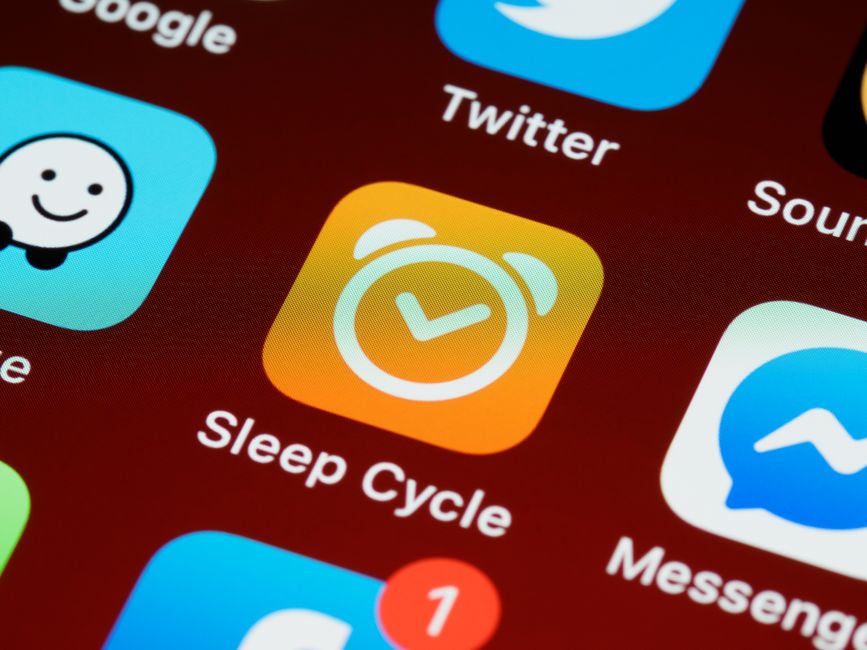
iPhone owners have been describing a recurring "silent alarm" failure in which the Clock app's wake-up tone does not sound at the scheduled time even though the alarm still shows as active. TechRadar reported that some owners say the lapse has cost them shifts or jobs, and that Apple is said to be preparing a fix in iOS 27.
What Is the "Silent Alarm" Problem iPhone Owners Are Describing?
The complaint, as TechRadar framed it, is blunt: "iPhone owners are blaming a 'silent alarm' problem for costing them jobs — but a fix is finally coming in iOS 27." The reports center on wake-up alerts that fail to produce sound despite being switched on, leaving sleepers unaware anything went wrong until they check the time. That gap between what the phone shows and what it actually does is the core of the complaint.
Why Are Owners Blaming It for Missed Shifts and Jobs?
When the one tool a person relies on to start a workday stays quiet, the consequence is not a late breakfast — it is a missed shift, a tardy clock-in, or in the accounts TechRadar gathered, a lost position. The outlet's reporting ties the pattern directly to employment outcomes, which is why the glitch has drawn attention beyond typical phone-software complaints.
When Does Apple's iOS 27 Fix Arrive?
TechRadar's reporting points to iOS 27 as the release carrying the correction, though Apple has not published a firm date for that update. Until it ships and until affected owners confirm the behavior is resolved on their own devices, the safest approach is to treat the native alarm as unreliable for anything time-critical.
How Do You Reduce the Risk Before the Fix Lands?
- Set two alarms instead of one, spaced a few minutes apart, so a single silent failure does not leave you with no backup.
- Keep a second device in the room — an old phone, a basic alarm clock, or a smartwatch — tuned to the same wake time.
- Check ringer volume and mute switches before bed each night rather than trusting a setting you configured once.
- Avoid relying on a single notification channel. If your job allows it, ask a housemate or partner for a wake-up check during the week the bug is most disruptive.
- Test the alarm once during the day, not just at night, so you can hear whether the tone actually fires.
Which Backup Habits Actually Help?
A second clock is only useful if it is part of a routine you actually follow, not a one-time fix you forget about. Some people pair a backup alarm with a structured morning sequence so that waking up is the start of a chain rather than an isolated event they might sleep through anyway. Tymebox, a timeboxing app built for ADHD routines, works this way for its countdown-driven task flow — pick a template, set a thoroughness, and let a timer walk through the morning step by step once you're up, rather than depending on a single alert to do all the work. It will not fix a silent alarm, but it reduces how much weight any one notification has to carry.
Until Apple confirms the fix has landed for everyone, the practical move is redundancy: more than one way to be woken, and a plan for what happens the moment you are.
Tymebox
ADHD-friendly timeboxing. Pick a template and a thoroughness, then a countdown walks you item by item — with optional voice and body-doubling presence.
Learn moreMore from the blog
Written by Smorgi Apps at Smorgi Apps. We do not invent download counts or ratings. If a number appears here, it came from App Store Connect or the live listing.