Blog · Studio
What Should You Do When Your First Indie Game Flops?
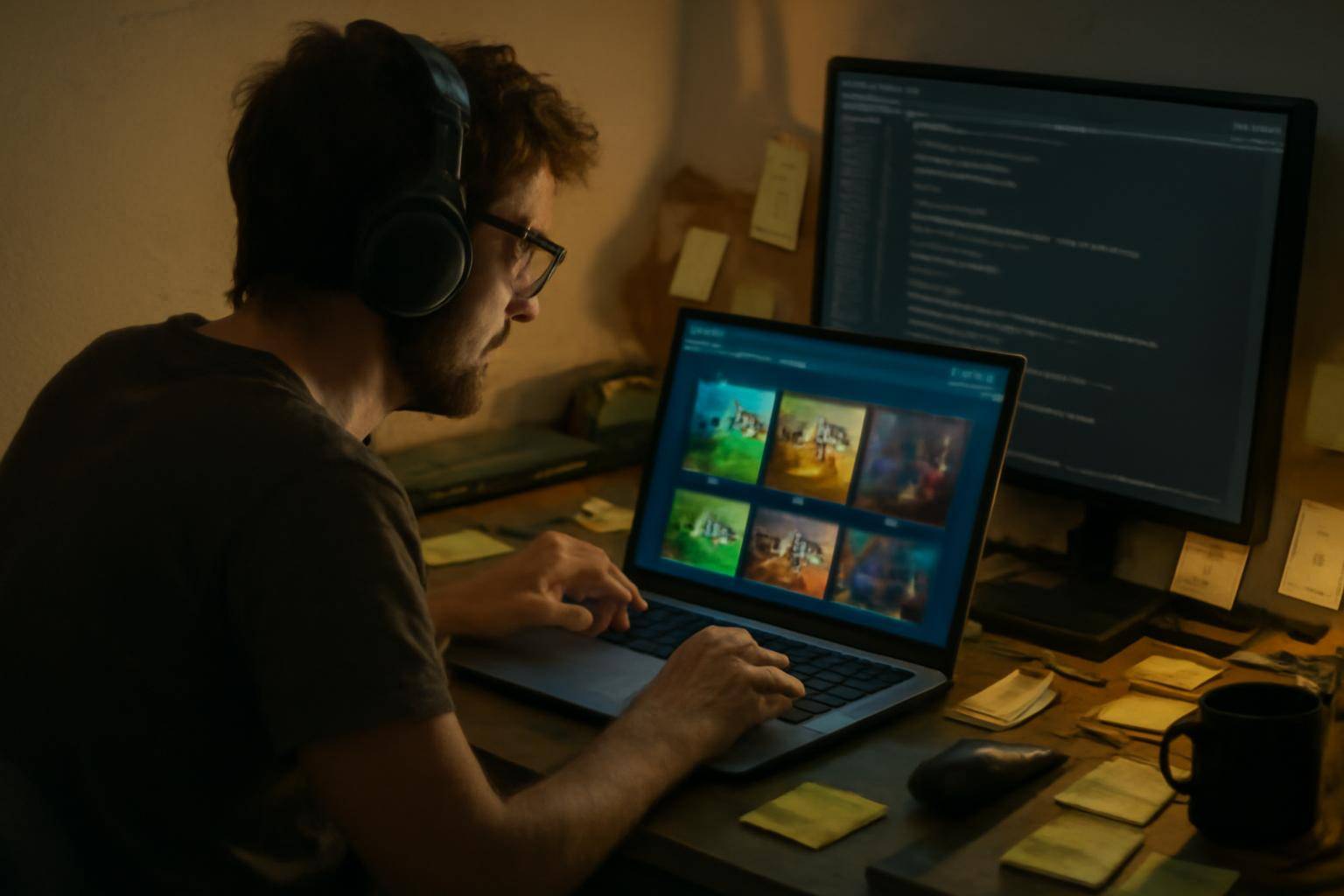
A quiet launch doesn't settle whether your first indie game failed — it just means the project didn't find its audience on day one, and what happens in the weeks after matters more than opening weekend ever does. A recent Game Developer piece walks through that exact moment — the one where a solo or small-team release ships, the wishlists stop moving, and the person who made it has to decide what comes next.
The piece frames shipping not as a finish line but as the point where the real decisions start. Three paths come up again and again in that conversation, and each trades different costs for different odds of a second chance.
Is a quiet launch really a flop?
A weak opening week and a failed project aren't automatically the same thing. Low initial sales can come from a store page nobody found, a trailer that didn't land, or a release date buried under bigger titles — none of which say anything about whether the core idea works. Before choosing a path forward, it's worth separating "nobody saw it" from "people saw it and passed," because those two problems call for opposite fixes.
Should you patch and relaunch the same build?
Reworking the existing release keeps the store page, the reviews, and whatever small audience already showed up. It's the right call when feedback points at fixable friction — a confusing tutorial, a pricing mismatch, missing accessibility options — rather than at the central concept. The cost is time: a relaunch asks for another marketing push on a title that already used up its first-impression window, and a second disappointing showing is harder to recover from than the first.
Does starting a new project beat fixing the old one?
Moving on preserves momentum. Whatever went wrong gets left behind along with the old store listing, and the lessons from the first attempt carry forward without a damaged reputation attached. What gets lost is anything the first release already built — an existing audience, early reviews, a working store page and marketing materials. Starting over only pays off when the core idea itself was the problem, not the execution around it.
Can shelved assets fund the next build?
A full relaunch isn't the only way to recover value from a disappointing release. Reusable code, art, UI systems, and tools built for the first game can carry into whatever comes next, cutting the cost of the following attempt even if the original title stays shelved. Some developers sell or share those components outright rather than let them sit unused. This path doesn't try to save the original game at all — it treats the release as paid tuition and banks the usable parts.
Which path fits your situation?
Picking a direction starts with naming the actual problem. If the issue is visibility, a relaunch with better marketing can work without touching the game itself. If the issue is the concept, a new project built on the same technical foundation is the faster route. If the resources for either option simply aren't there, salvaging assets and scaling down the next attempt keeps the work from being a total loss. None of the three paths guarantees a different outcome — they just point at different reasons a first release can land quietly, and different ways to spend the next few months.
More from the blog
- Apple Watch, Galaxy Watch, and Garmin Lead Wareable's Best Smartwatches of 2026
- 10 Dussehra 2026 AI Image Prompts: How to Use ChatGPT and Gemini, Then Turn the Result Into a Greeting
- Apple's Newest iOS Privacy Update Leaves Digital Marketers Bracing for Impact
- Is Berkeley Raising Parking Meter Hours and Ticket Costs?
Written by Smorgi Apps at Smorgi Apps. We do not invent download counts or ratings. If a number appears here, it came from App Store Connect or the live listing.