Blog · Drive
What's the difference between parking, stopping, and standing on a San Francisco curb?
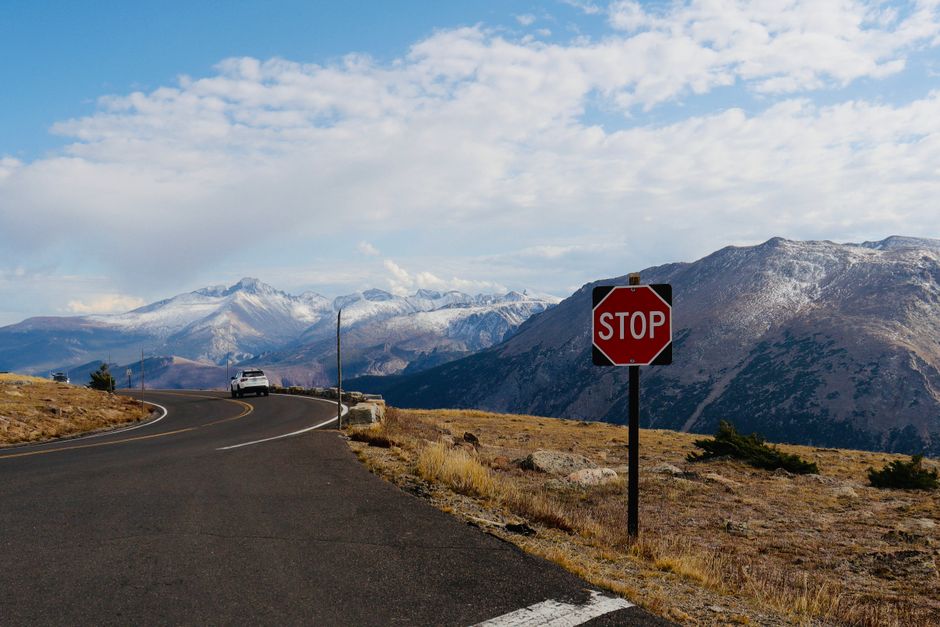
San Francisco's curb signs use three separate words — parking, standing, and stopping — because each one covers a different length and purpose of halt, and mixing them up is how a quick errand turns into a ticket.
What counts as standing instead of parking?
Parking generally means leaving a vehicle at a spot for longer than it takes to load or unload. Standing is narrower: it covers halting a vehicle, occupied or not, for a reason other than taking on or dropping off passengers or freight. A loading zone marked "no parking" might still allow a brief standing halt for pickup, while a "no standing" zone does not give you that room.
How does stopping differ from both?
Stopping is the broadest term and the shortest in duration. It covers any halt of a vehicle, even a momentary one caused by traffic, a signal, or a driver's own choice to pause. A "no stopping" sign is the strictest of the three because it removes the option to pause at all, aside from genuine emergencies or an officer's direction.
Why do SF's curb colors matter?
Color-coded curbs layer on top of these three categories. A red curb bars stopping, standing, and parking outright. Yellow is built for commercial loading within set hours. White allows a brief halt for passenger pickup or mail drop. Green limits the visit to a short time window, and blue reserves the space for a disabled placard or plate. Reading the paint first tells you which of the three rules applies before you even check the sign above it.
Does turning off the engine change the rule?
Not by itself. Whether the engine runs or the keys are out, the deciding factor is what the vehicle is doing: momentarily halted (stopping), waiting with someone ready to drive off (standing), or left unattended for a longer visit (parking). An officer and a sign are judging the activity at the curb, not just the ignition.
Where can drivers check the exact definitions?
These three categories trace back to standard vehicle code language used across many U.S. cities, and San Francisco applies that same structure to its own signage and curb paint. When a situation looks ambiguous — a loading zone with a short time limit, for instance — the printed hours and the curb color together spell out which of the three rules is in force at that moment.
Quick reference
| Term | What it allows |
|---|---|
| Stopping | Any halt, even momentary, including traffic or signals |
| Standing | Halting to wait, load, or unload, but not leaving the vehicle unattended |
| Parking | Leaving the vehicle for longer than a load or unload takes |
For the full rundown on how these categories interact with San Francisco's specific signage, see our topic page on parking, stopping, and standing.
Who enforces these distinctions on SF streets?
Parking control officers and the San Francisco Municipal Transportation Agency staff who manage curb signage are the ones applying these three categories in practice. They look at the vehicle's activity in the moment — not just the posted word — to decide whether a halt counts as stopping, standing, or parking. That's why two cars at the same curb can get different outcomes: one driver waiting with hazards on for a passenger may be standing, while another who steps away to run an errand has moved into parking territory, even on a block with identical signage overhead.
More from the blog
Written by Smorgi Apps at Smorgi Apps. We do not invent download counts or ratings. If a number appears here, it came from App Store Connect or the live listing.