Blog · Studio
Corona Capital 2026 Lineup and Ticket Details Are Rolling Out Through Official Channels
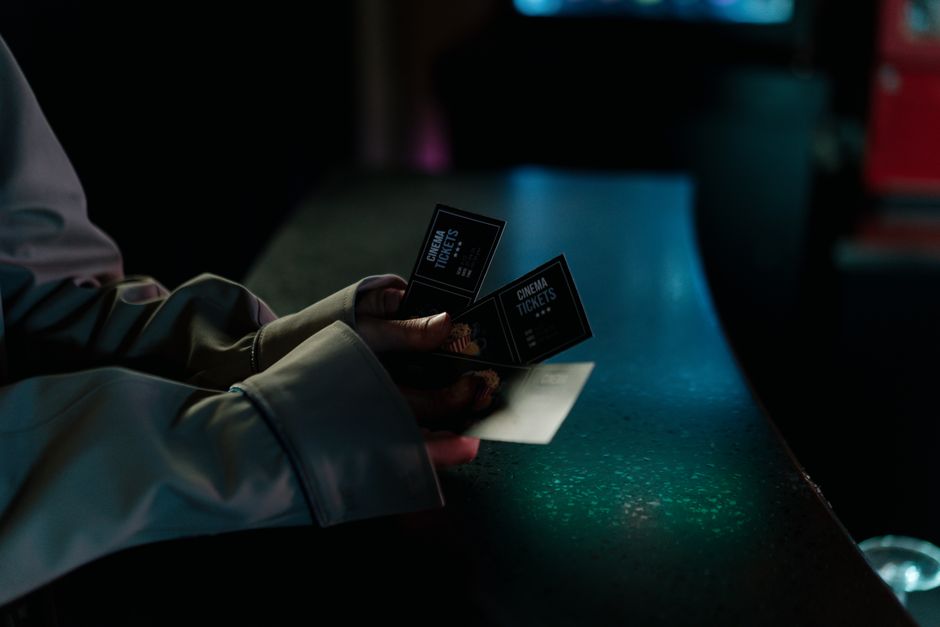
Corona Capital 2026 information is arriving the way most large festivals release it: in stages, through official posts, with a growing pile of secondary coverage trying to summarize it for fans who don't want to refresh a feed all day. Ones To Watch's rundown of the 2026 edition is one of the clearinghouses doing exactly that, pulling lineup and ticket notes into one guide and flagging artists worth watching. If you're trying to sort real festival news from speculation, the habits below cut the noise.
Where does Corona Capital 2026 post its official lineup?
The only reliable source for a confirmed lineup is the festival's own site and verified social accounts. Aggregator posts and roundups — including the one linked above — are useful for context and for flagging acts a casual fan might skip past, but they're summarizing, not announcing. When a guide says a name is "rumored" or "expected," treat it as unconfirmed until the official channel posts it directly. Bookmarking the festival's own page, rather than a search result, is still the fastest way to catch updates the moment they go live.
How do ticket tiers usually work for the festival?
Multi-day festivals typically sell a handful of ticket types: single-day passes, full festival passes covering every day, and sometimes a premium tier with extras like better viewing areas or shorter entry lines. Full passes are usually priced lower per day than buying each day separately, which is the main reason repeat festivalgoers buy the full pass even if they only plan to attend part of the run. Pricing for any specific tier should be confirmed on the festival's own ticket vendor page, since third-party sites sometimes list outdated numbers after a price tier sells out.
What does an 'Ones to Watch' guide actually cover?
These guides are curated picks, not official festival programming. A writer or outlet selects acts they think deserve more attention than the headliners already get — often newer names, opening slots, or artists whose sets conflict with a bigger-name act on the same stage. They're genuinely useful for building a personal schedule, since big festivals run several stages simultaneously and no one can see everything. Just keep in mind the selections reflect one outlet's taste, not a ranking from the festival itself.
Why does sleep matter during multi-day festivals?
Multi-day events compress late nights, early lines, and heat into a short stretch, and that combination catches up with people fast. Anyone planning a full festival pass benefits from treating sleep as part of the itinerary, not an afterthought — deciding in advance which nights allow for an earlier return and which don't. If you're already comparing ways to track how recovery is going during a trip, our breakdown of sleep tracker options covers the trade-offs between rings, earbuds, and bed sensors for people who want a number attached to how a late night actually affected them.
When do lineup details typically get finalized?
Festivals generally lock in set times and stage assignments closer to the event date, after the initial artist announcement and ticket on-sale. That's also when conflicts between acts you want to see start showing up on the official schedule, which is the real moment an "ones to watch" guide becomes practically useful — it's one thing to know a name is playing, another to know it overlaps with someone else you'd rather see. Checking back on both the official schedule and any guide you're following in the final weeks before the event is the only way to catch those last changes before they affect your plans.
The short version: treat roundups like Ones To Watch as a map for deciding who to prioritize, and treat the festival's own channels as the only place to confirm what you're actually buying a ticket for.
Should fans worry about counterfeit tickets for Corona Capital 2026?
Resale listings tend to multiply the moment a festival sells out its first tier, and not all of them are legitimate. The safest path is buying directly through the festival's named ticket vendor, the same channel referenced in official announcements, rather than through a marketplace link shared on social media. Prices that look unusually low compared to the official tier, or sellers who won't confirm the ticket type before payment, are the usual warning signs. Guides like the one summarizing this year's acts don't sell tickets themselves, so any purchase link attached to a roundup article is worth double-checking against the festival's own vendor page before entering payment details. That extra step takes a minute and avoids showing up at the gate with a pass that never existed.
More from the blog
Written by Smorgi Apps at Smorgi Apps. We do not invent download counts or ratings. If a number appears here, it came from App Store Connect or the live listing.