Blog · Drive
California Speed Camera Citation vs. Officer-Issued Ticket: What Shows Up in Your Mailbox
A California speed camera notice shows up as an envelope from a city traffic violations bureau, not a slip of paper an officer hands you through a car window. The format, the legal weight, and what it does to your driving record are all different from a regular ticket, and the gap matters if you're trying to figure out whether to pay, contest, or just set the thing aside.
How is a speed camera citation different from a regular ticket?
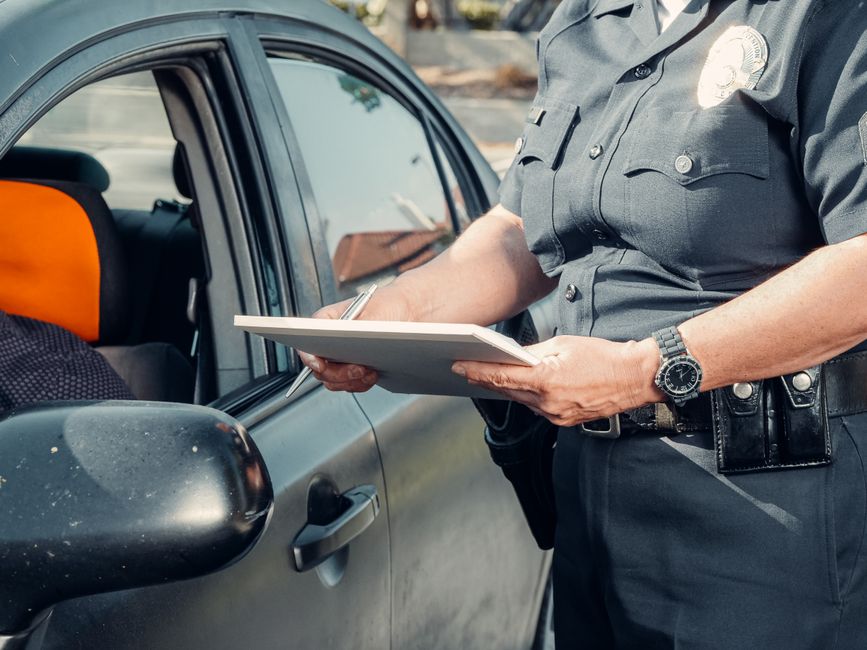
A traditional ticket starts with a stop. An officer pulls you over, checks your license, and writes a Notice to Appear that you sign on the spot. That signature matters: it's your promise to show up in court or pay the fine, and the violation goes on record as a moving violation tied to your name.
A camera-issued notice skips the stop entirely. A fixed camera captures your plate and speed, a city or vendor reviews the image, and if it confirms a violation, a notice goes out by mail. Under the pilot program created by Assembly Bill 645, these are civil citations rather than criminal moving violations. That distinction is the whole reason the mailer looks and functions differently from anything an officer would write.
Which California cities run speed camera pilots?
AB 645 limited the program to six cities: Los Angeles, San Francisco, Oakland, San Jose, Long Beach, and Glendale. If you live or drive outside those six, a mailed speed notice from a California address is more likely a red light camera citation, which runs under separate rules in the Vehicle Code, or a toll-related notice that just resembles a citation at a glance.
What's inside the envelope when it arrives?
Open the mailer and you'll find a printed notice rather than a bound ticket booklet page. Expect a photo or still frame showing the vehicle and plate, the date, time, and location of the violation, the recorded speed against the posted limit, the name of the reviewing agency, and a case or citation number. There's also a payment amount, a deadline to respond, and instructions for disputing the notice, usually pointing to a website where you can view the underlying image or video evidence tied to your case number.
What you won't find is a court date printed as the default next step. Civil citations under the pilot route you first toward payment or an administrative review process, not a courtroom appearance, unless you choose to escalate a dispute.
Does a camera citation touch your driving record?
This is where the two paths diverge the most. An officer-issued speeding ticket is reported to the DMV as a moving violation, can add points to your record, and typically gets flagged to your insurer at renewal. The civil citations issued under the speed camera pilot are designed to avoid both of those downstream effects for a first offense: no DMV points, no required insurance reporting tied to that single notice. The registered owner also isn't required to identify who was actually driving, since the citation attaches to the vehicle's registration rather than to a driver.
That doesn't make the notice optional. It's still a legal demand for payment, and ignoring it can lead to additional fees or collection activity on the unpaid balance, the same way an unpaid parking citation can snowball.
Where do you pay or contest it?
Every notice includes the agency or vendor handling payments, along with a web address and a phone number for questions. Before paying, check three things on the printed notice: the date and time match a trip you actually took, the plate reads correctly, and the posted speed limit listed matches what you remember seeing on that stretch of road. Camera systems are reviewed by agency staff before a notice goes out, but transcription and plate-reading errors still happen, and the evidence link is there specifically so you can check the source image yourself.
If something looks wrong, the notice will list a review or appeal process, usually with a response window measured in weeks rather than days. Missing that window can convert a disputable notice into a straightforward payment obligation, so treat the deadline printed on the mailer as the operative one, not the date you happened to open the envelope.
The practical takeaway: a speed camera notice is real, it's tied to an actual recorded violation, and it carries a real payment deadline, but it isn't the same instrument as a ticket written at the side of the road. Reading it as a civil notice rather than a criminal citation changes how you should respond to it, and that difference is baked into state law for the six-city pilot running right now.
More from the blog
Written by Smorgi Apps at Smorgi Apps. We do not invent download counts or ratings. If a number appears here, it came from App Store Connect or the live listing.