Blog · Drive
Outside Lands 2026: 3 Ways to Reach Golden Gate Park Without Losing a Spot or a Bag
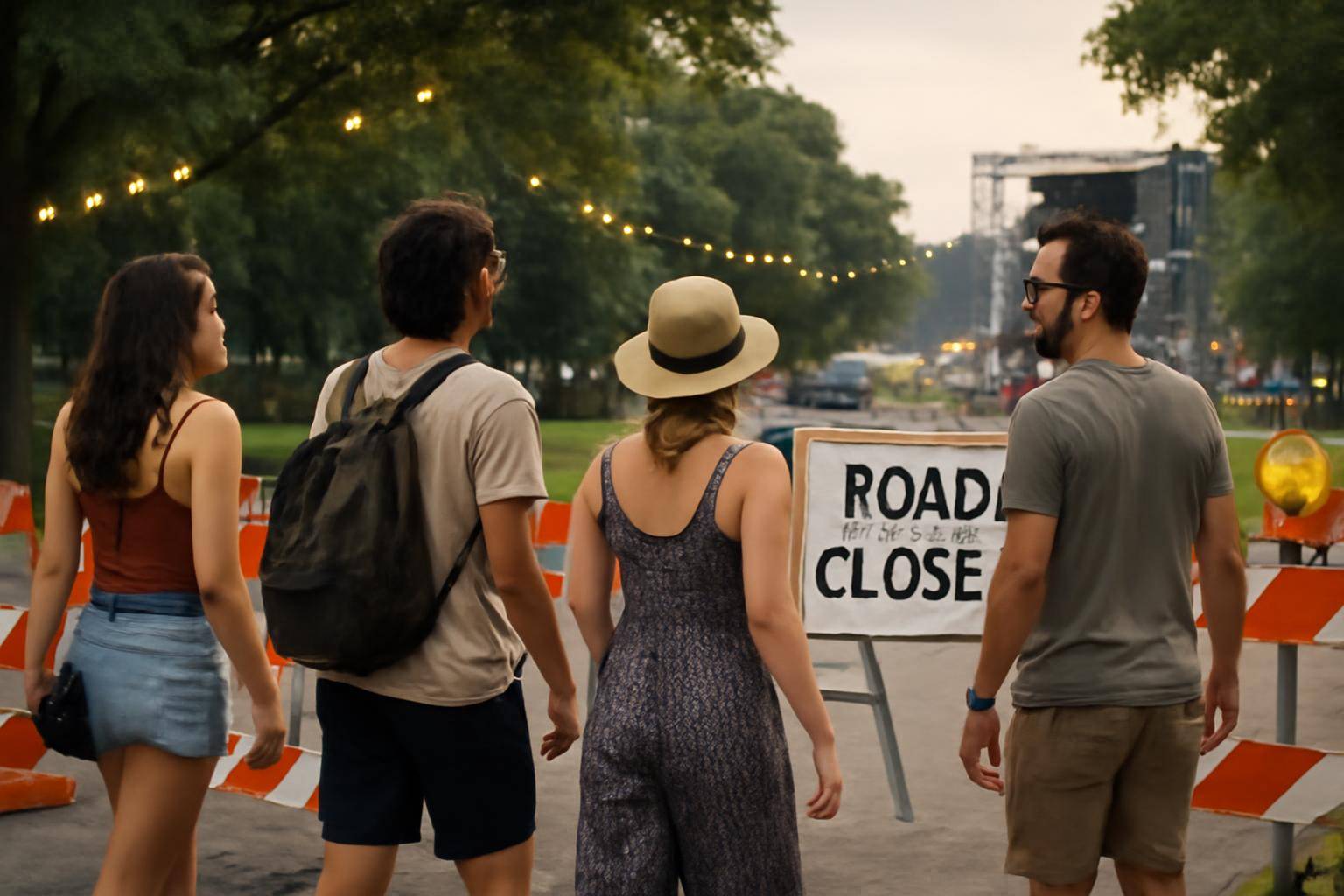
Getting into Golden Gate Park for Outside Lands 2026 comes down to three real choices: drive and hunt for a legal spot under San Francisco's festival-weekend parking rules, book a rideshare to a designated curb, or ride Muni to a stop near the park. KQED's rundown of tickets, parking, road closures, and bag rules walks through what changes year to year for the San Francisco festival, and the short version is that none of the three options is friction-free.
Which roads close for Outside Lands 2026?
The city shuts down a run of streets bordering the park for the length of the event, lifting closures overnight and reinstating them before gates open the next day. Exact block-by-block timing shifts from year to year, so the safest move is pulling up the official closure map before you leave rather than guessing based on a prior festival. KQED's guide links out to that city schedule directly, which beats relying on secondhand posts from last summer.
Is driving and parking worth the risk?
Street parking near the park thins out fast once the festival announces dates, and several blocks shift to permit-only or tow-away status for the run. Residents inside the affected zone often get posted exemptions, but visiting drivers generally do not. If a spot does open up a dozen blocks out, the walk in adds time that can erase whatever you saved by skipping a rideshare fare. Driving still makes sense if you're hauling gear for a multi-day stay or splitting a car with a group, but it stops being the fast option the moment every legal space within reasonable walking distance fills.
Does a rideshare drop beat a found parking spot?
Rideshare apps route to a designated pickup and drop-off zone near the gates rather than letting a driver stop wherever traffic allows, which keeps the chaos contained to one corner instead of spreading across every nearby intersection. The tradeoff is pricing: fares climb hardest right as gates open and right after the last set ends, since that's when every attendee is requesting a car at once. Scheduling a pickup a little earlier or later than the crowd, even by twenty minutes, tends to cut both the wait and the fare.
What bag rules should you plan around?
Large outdoor festivals in San Francisco typically run a clear-bag-style policy with narrow exceptions for medical supplies, and Outside Lands is no different in spirit. The specific size limits and allowed bag types are published in the festival's own guide each year, and KQED's roundup links straight to it. Bags that don't meet the posted spec are turned away at the gate rather than stored for later pickup, so checking the list before you pack saves a walk back to the car — or a scramble to leave a bag with a stranger.
Which option actually saves the most hassle?
For a single day pass, Muni or a rideshare to the designated drop point beats circling for parking almost every time, since neither depends on finding a legal spot that may not exist by the time you arrive. For a multi-day run with gear, driving can still pencil out if you're willing to park farther out and treat the walk as part of the plan. Whatever you pick, the rules that matter most — closure times, bag specs, and lot availability — come from the city and the festival directly, and KQED's compiled guide is the fastest way to check them before gate day instead of after you're already stuck at the curb.
How does Muni compare to driving or rideshare?
Muni routes near the park get crowded on festival days, but they skip the two biggest headaches of the trip: there's no spot to hunt for and no curb drop-off to fight over at the end of the night. The tradeoff shows up in comfort rather than speed — buses and trains fill up fast once gates open, and that means standing room for anyone boarding a few stops before the park. KQED's guide points to the city's own transit planning page for the current festival weekend, since stop closures and reroutes shift along with the street closures around the venue. Checking that page the morning of, not the week before, matters because Muni adjustments tend to track the same closure schedule that affects parking.
For a solo day trip without gear, Muni removes the two costs that hit drivers and rideshare riders hardest: a parking fee or a surge-priced fare. For a group carrying coolers, chairs, or anything bulky, the walk from a stop to the gate can outweigh that savings, which is where driving or a scheduled rideshare pickup starts to make more sense again.
More from the blog
Written by Smorgi Apps at Smorgi Apps. We do not invent download counts or ratings. If a number appears here, it came from App Store Connect or the live listing.